Faith Pentland | Project Trust | June 20, 2026
 Introduction
After completing my A-levels I chose to take a gap year teaching English abroad to gain some practical knowledge, to develop new skills, and to become immersed in a new culture. I embarked upon this journey with the Scottish charity Project trust which is an educational charity that also focuses on giving opportunities to young people, such as myself. My motivation to do this gap year came from past volunteering experience for other charities, my appreciation for the impact of quality education, and the lack of opportunity to leave England in the past. This left me wanting to make further positive contributions to the world, specifically in communities across other countries, while experiencing life abroad.
The project trust team decided to put me on a teaching placement in Suwannaphum in the North Eastern region of Thailand (Isaan). On September 15th 2025, I flew from London Heathrow to Suvarnabhumi Airport in Bangkok, Thailand. The following day, I took an 8-hour overnight bus to Suwannaphum in the Roi et province, where I spent my next year as an English teacher.
This report reflects on my experience throughout my gap year, discussing the challenges I encountered, the skills I have gained, the impact I made on my community and the professional and personal development that resulted from my experience as a teacher in rural Thailand. This report also explores the impact teaching had on my understanding of cultural exchange, communication, and the education system in different countries to my own.
Cultural insights
Every international volunteer is required to adjust to differences in social norms and cultural practices in their placement country compared to their home country. During my placement in rural Thailand, I encountered many cultural differences that influenced the way people interacted with one another, approached education, and participated in community life. Adapting to these differences required patience, openness, and a willingness to learn, but it ultimately helped me integrate more effectively into the community and gain a greater appreciation of Thai culture and values.
A key difference I had to adjust to was Thailand’s collectivist culture compared to the UK’s individualist culture. Thai society places greater emphasis on group harmony, cooperation, and collective responsibility, whereas the UK prioritizes personal freedom, independence, and individual achievement. I experienced this collectivist culture through group decision-making during monthly staff meetings, the communal practice of sharing meals, and workplace expectations such as coordinating outfits with the other teachers to promote unity and professionalism. These experiences highlighted how cultural values shape everyday social interactions and workplace norms.
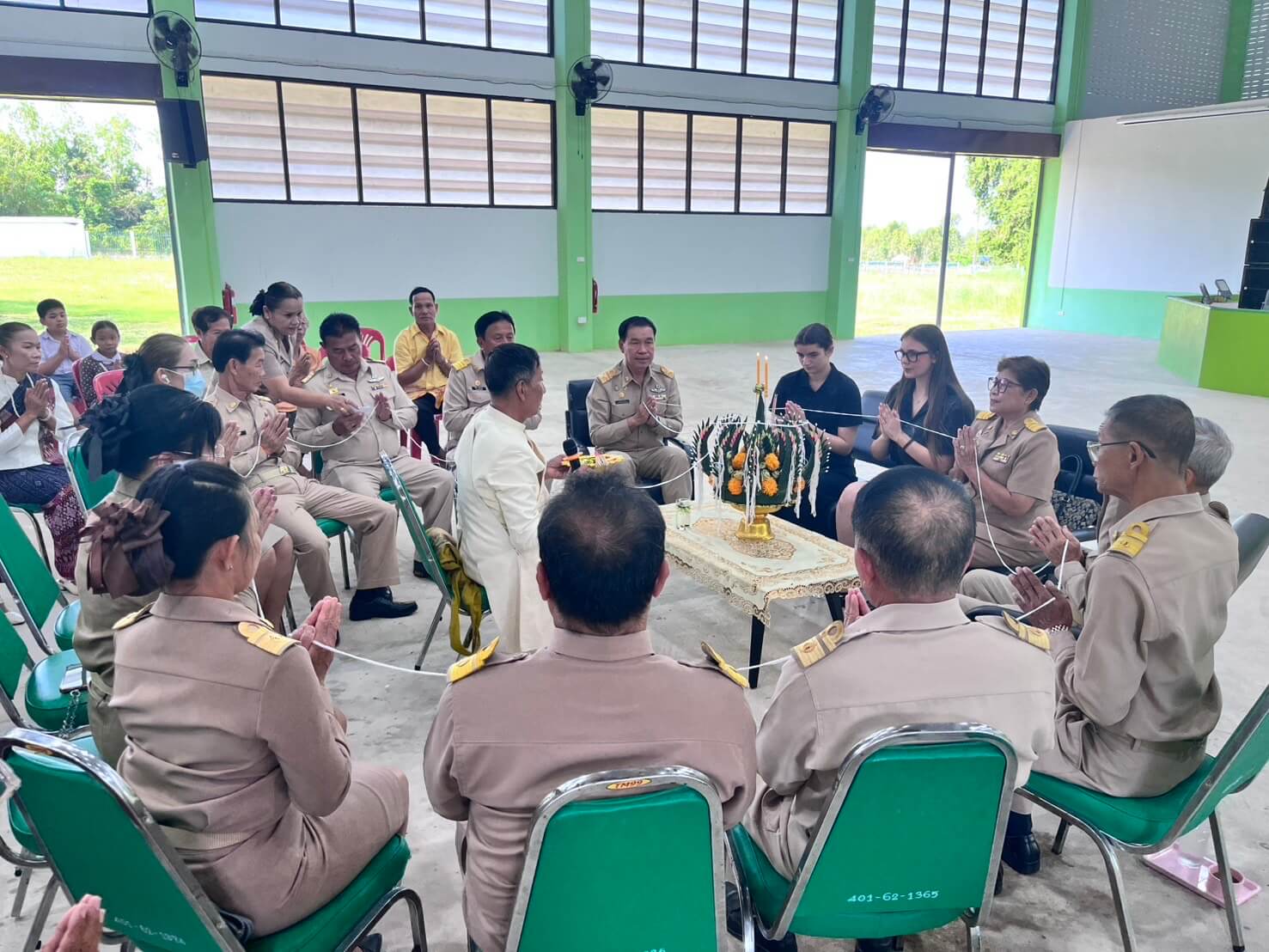
Another key aspect of Thailand is that it is a predominantly Buddhist country following mainly Therevada Buddhism which means there are many Buddhist rituals and ceremonies you are required to understand and research in order to understand. There were many celebrations and ceremonies that I was able to engage with over my time here, for example my first month living in Thailand I performed the daily ritual called giving Alms to the monks. This ritual involved me waking up at 5am in order to prepare the alms (food and water) for the monks, who walk barefoot PAGE 2
through their neighborhood. During this process locals are required to dress modestly, remove footwear, make no physical contact and ensure appropriate offerings. The locals believe that giving Alms is making merit, provides good karma, creates positive spiritual energy, and brings good fortune in the givers life. Giving alms becomes an even larger public celebration during Buddhist holidays such as Makha Bucha day and Visakha day. There are several traditions performed on these days, including the morning Alms, gathering at the temple, listening to sermons, a candlelight procession, local concerts, and local performances.
Makha Bucha day is one of the most sacred Buddhist public holidays in Thailand, celebrated on the full moon night of the Third lunar month. This day celebrates the event that happened 9 months after the Buddha reached enlightenment, According to Buddhism 1,250 enlightened disciples gathered in India who had all been personally ordaned by the Buddha himself. During this assembly the Buddha delivered his core spiritual principles summarizing Buddhist teachings into three universal instructions. These instructions were cease from all evil, perform good deeds, and purify the mind. On this holiday I went to the temple with teachers and students where we listened to sermons read by the monks, I attended a local temple that was hosting a concert with traditional Thai dancing and singing, I also went to a show performed in the nearest city that was acting out a Buddhist story
Visakha day is another highly sacred Buddhist holiday in Thailand that occurs during the full moon of the sixth lunar month.. Buddhist tradition holds that three miraculous events occurred on the same day of the year across different lifetimes. These events were the Buddhas birth, his enlightenment/reaching nirvana, and his passing where he broke free from a cycle of rebirth and reached Parinirvana. On this day we celebrated by giving Alms at dawn, bathing the Buddha by pouring sented water over sacred Buddha statues at local shrines. And an evening procession.
Community contribution and engagement
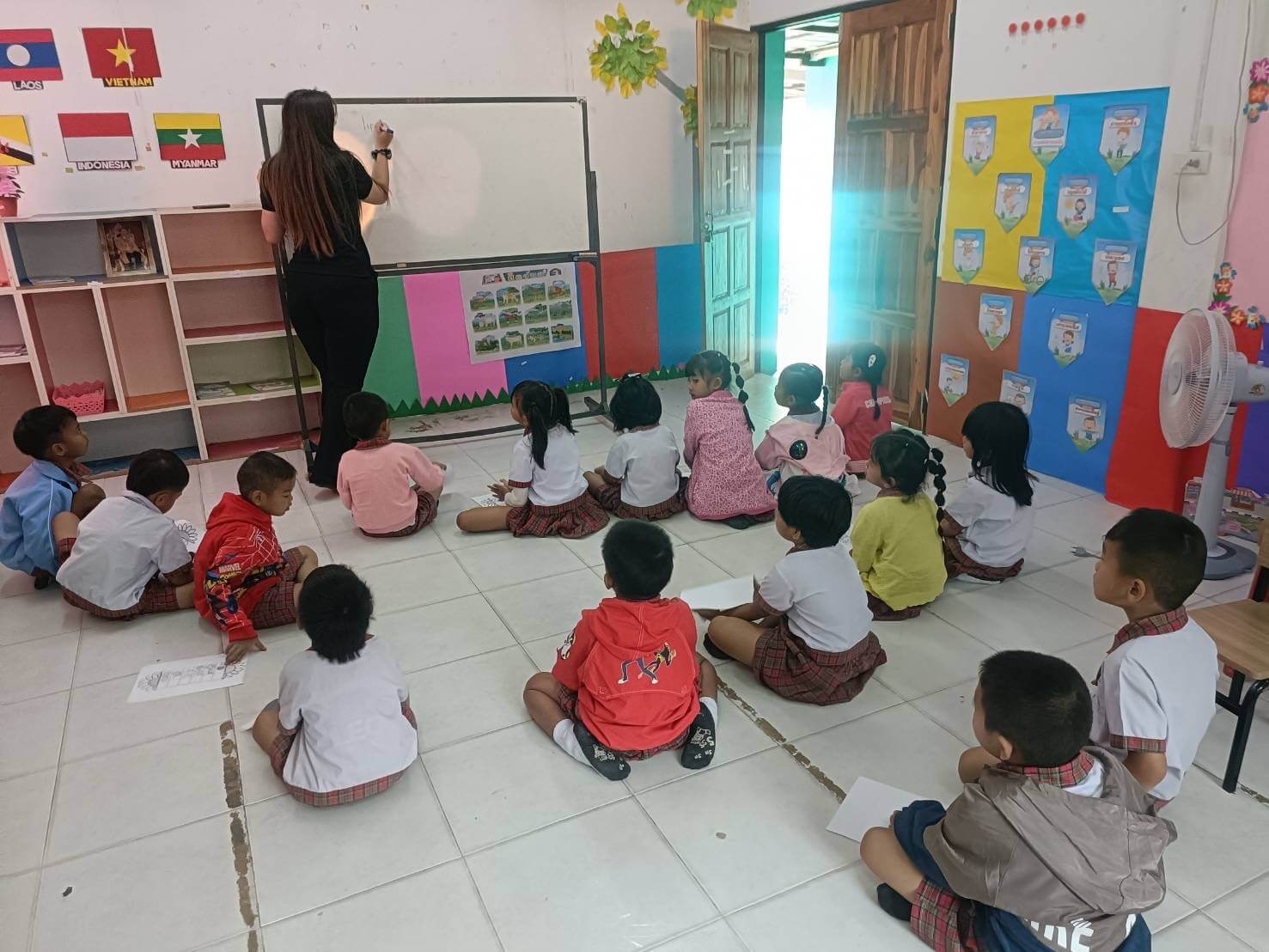
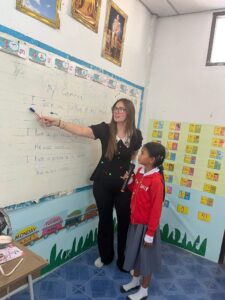
During my time in Thailand, my main contribution to the community was teaching English at Kradingtong school and Donhaed Wittaya school. I worked nine hours a day teaching nursery, kindergarten, and primary school students, while also organizing a daily after school English club to give pupils extra opportunities to practice their language skills. My role extended beyond the classroom. I helped organize school events, including a Christmas performance, delivered speeches, and hosted events for senior figures in Suwannaphum, including the mayor and deputy mayor. These opportunities allowed me to contribute to both the schools and the wider community.
I also participated in important local festivals, including Songkran, where I joined the teachers and community members in traditional celebrations, and Bun Bang Fai (rocket festival), where I helped prepare for the event and was invited to launch rockets alongside the mayor of Suwannaphum. Taking part in these festivals gave me a greater appreciation of Thai culture while strengthening my connection with my local community.
Outside of work, I engaged with local residents by regularly attending the evening fitness and dance classes held in the local park. These activities helped me build friendships, practice my Thai language skills, and become more integrated into community life. Overall, my placement enabled me to contribute through education while actively participating in the cultural and social life of the community. PAGE 3
Challenges faced
During my time as a teacher, the largest challenge I faced was witnessing the treatment of students with learning disabilities. I encountered many students who I believed to have learning difficulties such as dyslexia, attention- deficit/hyperactivity disorder (ADHD) and, Autism Spectrum Disorder (ASD), across a range of different age groups, and ability levels. I believed these students to have learning difficulties due to numerous factors, such as some students having a larger difficulty reading or writing compared to other students in the same age group, having a lack of ability to verbally communicate in Thai or English, or a large inability to focus on a task or sit still.
Students who had greater difficulties in their education would be treat in a particular way by members of staff in an attempt to have these students complete their work, to focus, or to stop misbehaving. Across my year working across 2 schools I would regularly witness these students being punished verbally, being punished physically, being physically restrained or being ignored by the teachers. These methods of negative reinforcement were once used and recognized as ways to encourage a more acceptable way of behaving in the classroom, or at home, but have ultimately been proven to be more harmful to the student than helpful in terms of their behaviour or education. The most common method I would see be used by the teachers would be simply ignoring students, this resulted in students being excluded from activities, being left without support when required, or being removed from the classroom during inspections in the school.
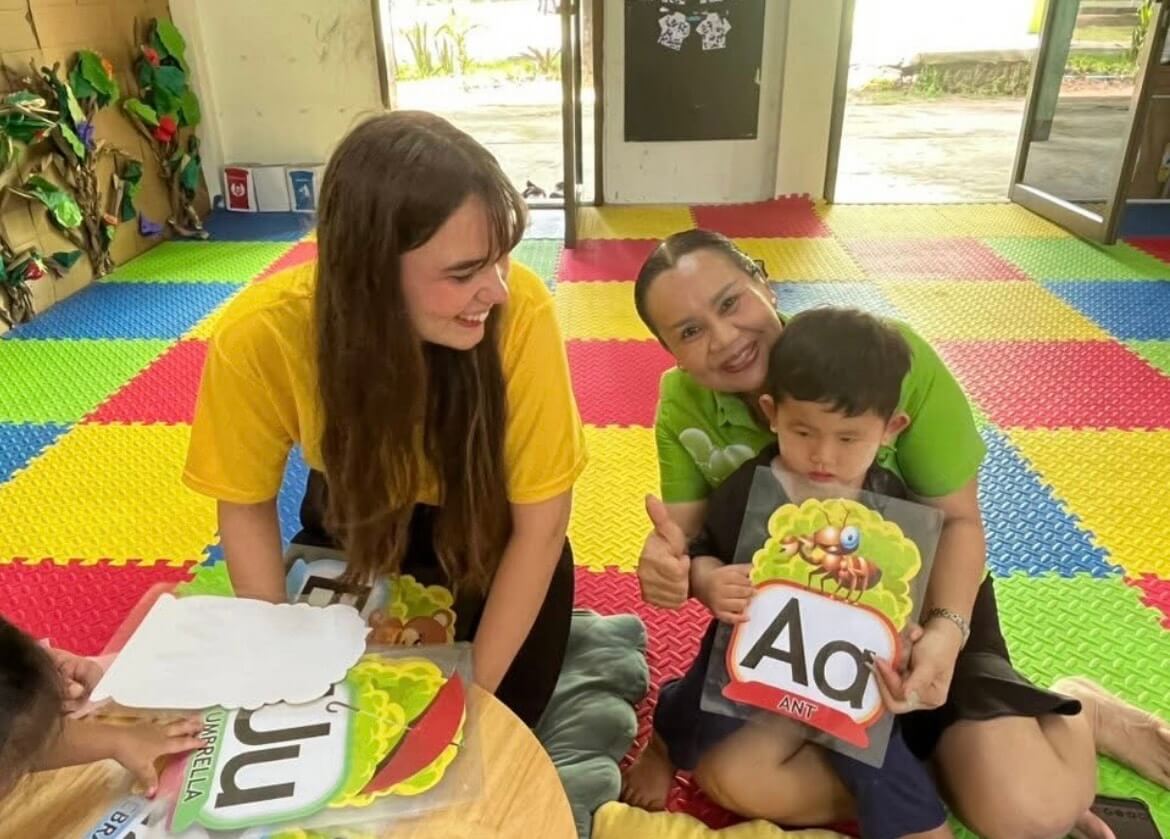
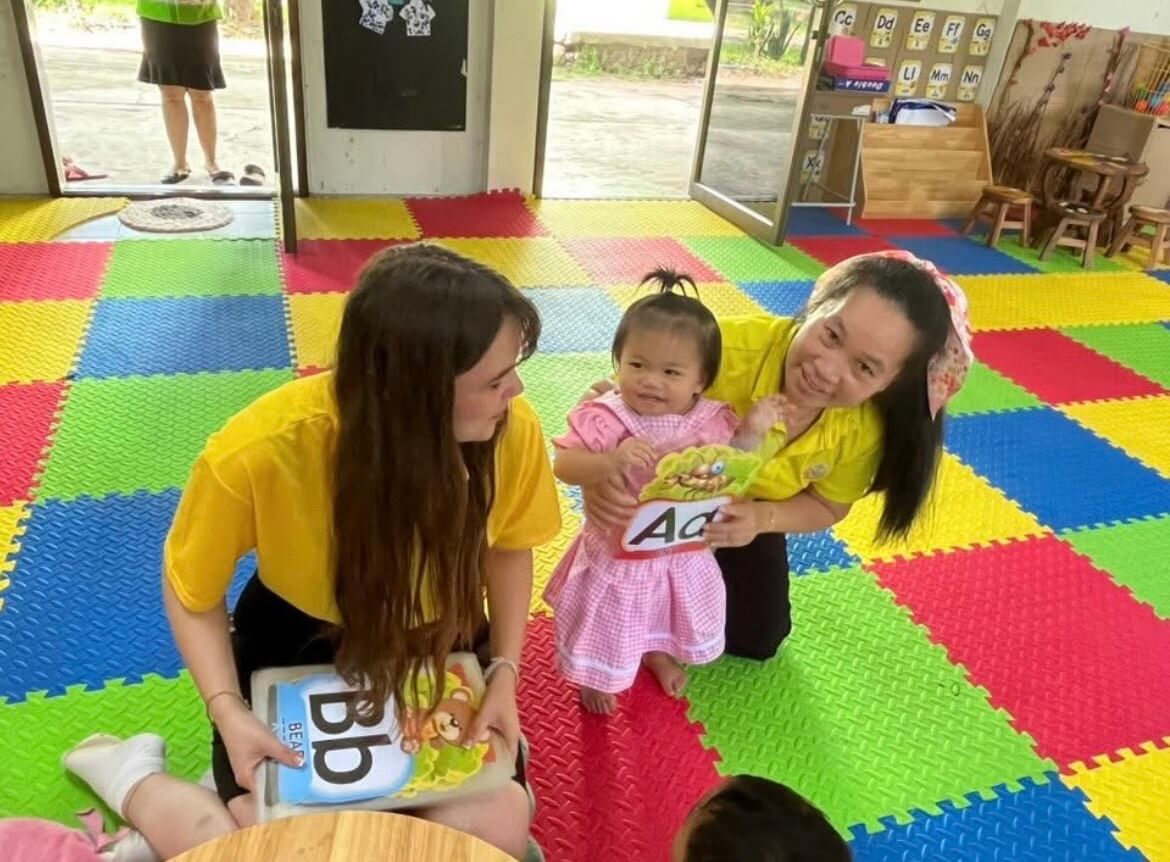
As a volunteer I was not in a position to make any large scale changes in terms of the treatment or punishment of these kids, which resulted in me facing this challenge by starting my own personal initiative to support these children in their education. I did numerous activities in an attempt to do this for example during our free time at lunch I would invite students who were falling behind into my classroom and I would recap the basics of English language such as ABCs and numbers, I would regularly interact with my non-verbal students in a casual way, I also began a daily afterschool English club which students who were falling behind were obliged to attend as they weren’t capable of attending the alternative swimming club. While working on these topics I would find interactive and fun activities to keep these students invested, with my afterschool club being the perfect opportunity to impliment this as I wasn’t restricted by the schools curriculum. I began implementing games, arts and crafts, sensory objects and toys, all while giving certain students extra support to allow them to fully engage in the classroom activities alongside other students.
Now I have had almost a year to work with my students, and to do my daily afterschool English language club, I have witnessed a large improvement in many students. I believe the largest improvement to be a child who was given the English nickname August. August was a child who I taught in grade 1, my first time teaching grade 1 I was accompanied by another more experienced teacher, and when I attempted to help August I was told not to as August was not yet able to speak. August was one of the students who would spend time with me after lunch, and also attended my afterschool club. When I interact with August now, I am regularly met with common English phrases such as hello and goodbye, he is able to read most of the alphabet out loud, and is pointing and saying the names of objects and colours in both Thai and English, showing a massive improvement in his ability to verbally communicate in both languages. PAGE 4
Financial summary
One of the main struggles of being on an international volunteer placement was preparing to move to Thailand while being born into a working-class family. This highlighted to me how socioeconomic backgrounds can shape access to international opportunities and influence the experiences individuals have before and during volunteer placements. Experiencing this firsthand increased my awareness of social class inequalities and the ways in which economic privilege can affect participation in global volunteering programs
Fundraising and pre-departure expenses were the first thing that caused me to feel like I had a significant financial disadvantage. To be a project trust volunteer you are required to contribute 7,450 GBP, which volunteers pay through a combination of Grants, fundraising events, and personal savings. In addition to this target there are also hidden costs which include vaccines, visas, travel, and accommodation during the training process, and transportation to London Heathrow Airport for departure. As a volunteer living in a working-class area in North East England, I found fundraising particularly difficult. Many residents in my area were facing similar financial difficulties and their own struggles with the rising cost of living. This means many of the people in my local area, or people I had relationships with, did not have the means to engage with my fundraisers, or to offer a donation to my fundraising target. This resulted in a large gap in my fundraising target compared to many other middle-class volunteers I had met, who had the means to arrange large-scale fundraising events, and also had connections with people who could afford to engage with these events and activities. As a result, people who would have otherwise wished to support my fundraising were unable to contribute financially through fundraising events or donations. Consequently, I found it more difficult to reach my fundraising target compared to those who had access to wider financial networks and communities with greater disposable income. The gift friendship trust was therefore instrumental in making this experience possible. They helped bridge a funding gap that would otherwise have been extremely difficult to overcome and ensured that my participation was not limited by my socioeconomic background. The support I received demonstrates the important role that grant funding can play in widening access to international volunteering opportunities for young people from working-class communities.